
From Impenetrable Wilderness to Tourist Paradise
Celebrating its 54th birthday this year, our esteemed neighbor on the east coast, Punta Cana, has a fascinating history that serves as one of the inspirations for Samana Group.
Join us on a brief journey through the history of a tremendous success story and one of the key economic catalysts in the development of the Dominican Republic.
Punta Cana, a tourist resort and private city, is the second most visited place in Latin America, receiving millions of tourists each year and contributing about a quarter of the national GDP.
Yet just 54 years ago, this beautiful coastline was covered by impenetrable jungle, unknown even to the locals.
How did this tropical wilderness become one of the world’s most popular holiday destinations?
Here is the inspiring story of Punta Cana, in the province of La Altagracia.
From Punta Borrachón to Punta Cana
Until almost the end of the 1960s, the coast of this easternmost cape of the Dominican Republic remained completely wild.
Dense jungle blocked access to heavenly beaches unknown to most locals. Not a single road led there, and the only human presence consisted of a few fishing villages.
But a group of American investors saw the treasures hidden beyond the impenetrable jungle — endless stretches of white sand shaded by coconut palms, crystal-clear turquoise waters, and incredibly lush coral reefs.
In 1969, the investors decided to purchase 77 km² of undeveloped land.
Soon, two key figures in the history of Punta Cana joined them:
Frank R. Rainieri, a young Dominican businessman and hotelier
Theodore W. Kheel, a prominent New York lawyer
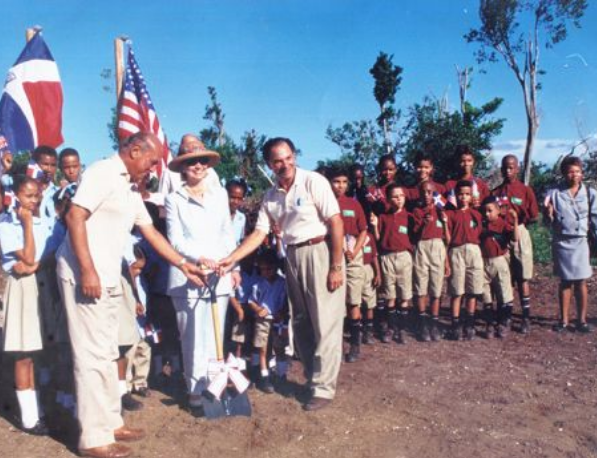
The group entered into an agreement with a vision of creating a resort that would offer a high-quality holiday experience while preserving the natural environment.
Thus began the transformation of the region, starting with a change to its rather uninviting name.
Punta Borrachón, meaning “Drunkard’s Point,” became Punta Cana in 1970, named after a local species of coconut palm.
Punta Cana Club Welcomes Its First Guests
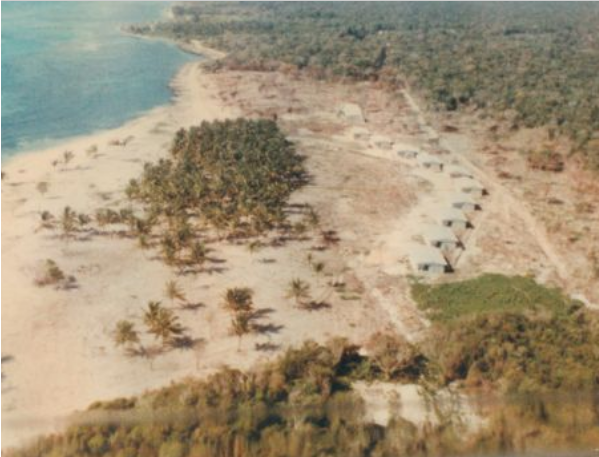
The first hotel, the Punta Cana Club, was built in 1971 with a capacity of just 40 guests.
At its inauguration, some guests expressed sympathy for Frank Rainieri’s investment in such difficult terrain.
And understandably so.
Access to the hotel was limited to a small airstrip that could accommodate only small aircraft. The overland journey to the nearest town, Higüey, took around six hours of arduous travel.
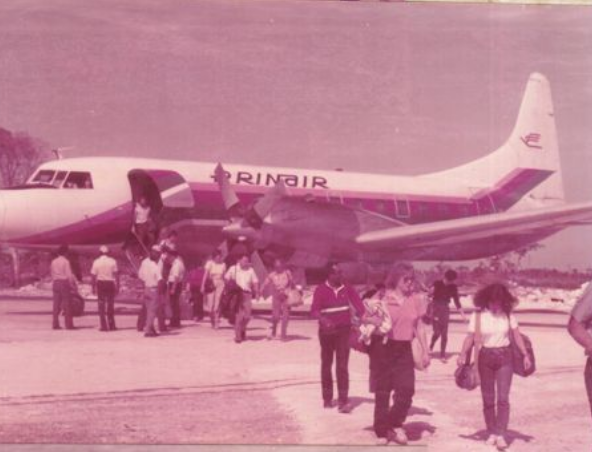
Despite these limitations, the irresistible charm of Punta Cana’s beaches began attracting worldwide attention.
The destination welcomed a modest number of guests, but more importantly, it started attracting additional investors.
A Major Turning Point
The development of the region gained momentum when the famous French hotel network Club Med recognized the potential of Punta Cana and decided to build a large hotel with 350 rooms.
Eventually, a road was constructed to connect the cape with the rest of the country.
The result was transformative:
Travel time to Higüey fell from approximately six hours to just 30–40 minutes.
Interestingly, Colgate-Palmolive Corporation was involved in the development of the road infrastructure.
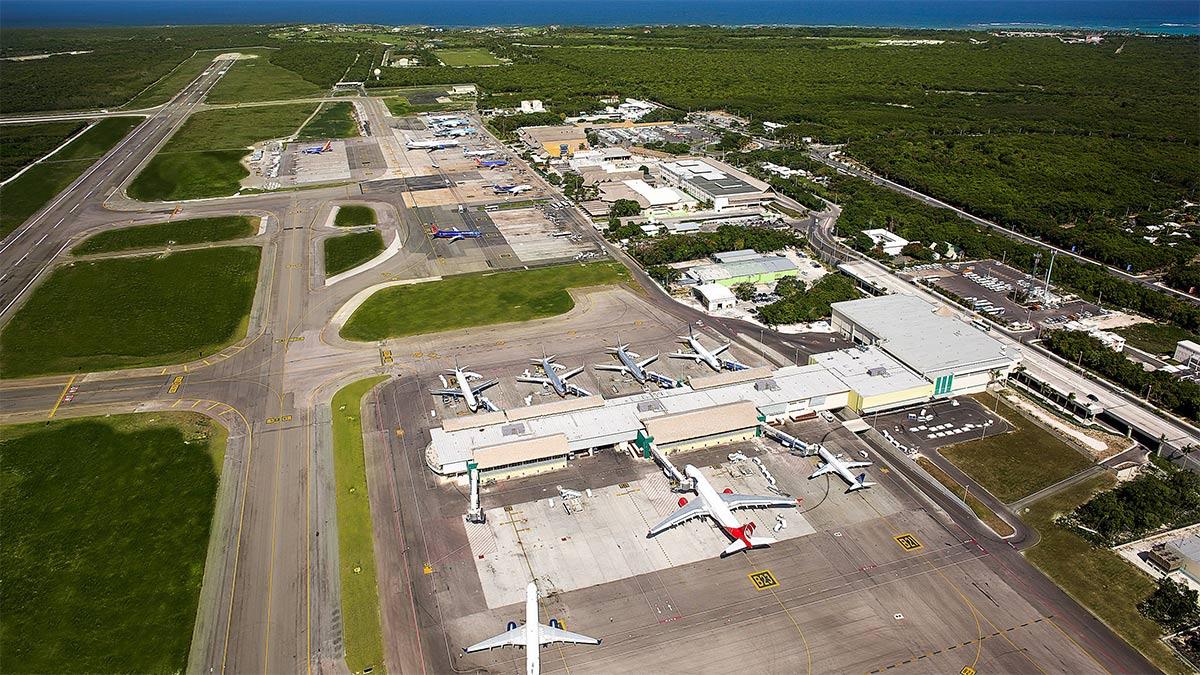
The World’s First Private International Airport
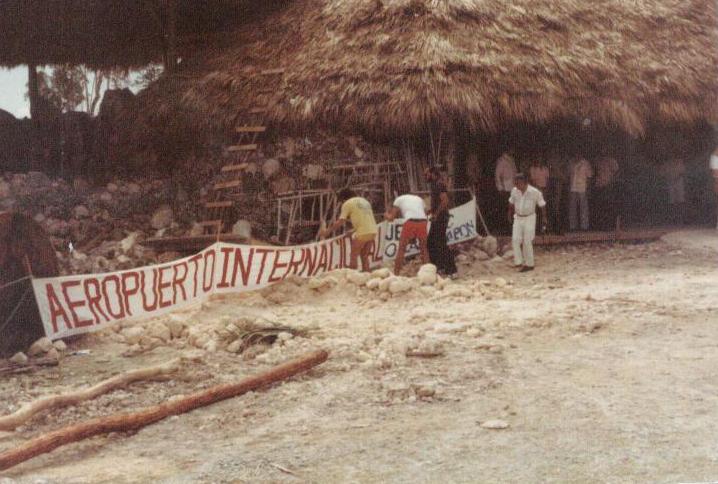
One of the most important milestones in Punta Cana’s development came after eight years of difficult negotiations with the government.
In 1984, a fully commercial international airport was finally opened.
It became the world’s first privately built, managed, and owned international airport.
Its growth illustrates the extraordinary development of the region:
First year of operation: fewer than 3,000 passengers
2009: almost 4 million passengers
2022: more than 8 million passengers
Over the following decades, Punta Cana became one of the world’s most sought-after tourist destinations.
At the same time, it became an important driver of economic development across the Dominican Republic.
Today, revenues generated by the resort contribute significantly to the national economy, with tourism capital helping propel the country into a new era of development.
Social and Environmental Responsibility
Grupo Puntacana has commendably remained true to its original principles of protecting the natural environment and preserving the heritage of the region.
A substantial share of the profits generated by the airport is invested in social initiatives, including:
interest-free educational loans,
medical facilities,
renewable funding for employee housing loans.
The Puntacana Ecological Foundation was also established to protect the region’s terrestrial and marine flora and fauna.
This long-term approach demonstrates that large-scale development does not necessarily have to come at the expense of the natural environment.
A Tourist Mecca and a Private City
Today, Punta Cana is home to:
more than 100 hotels and resorts,
over 40,000 hotel rooms,
approximately 40 kilometers of natural white-sand beaches,
a population of more than 100,000 people of different nationalities.
The destination attracts millions of tourists every year, as well as numerous internationally recognized figures.
Among them are fashion designer Oscar de la Renta and musician Julio Iglesias, who joined Grupo Puntacana in the 1990s.
Over the years, Punta Cana has evolved far beyond a traditional tourist resort.
It has become a place where permanent communities live, work, invest, and build their lives.
More Than a Resort
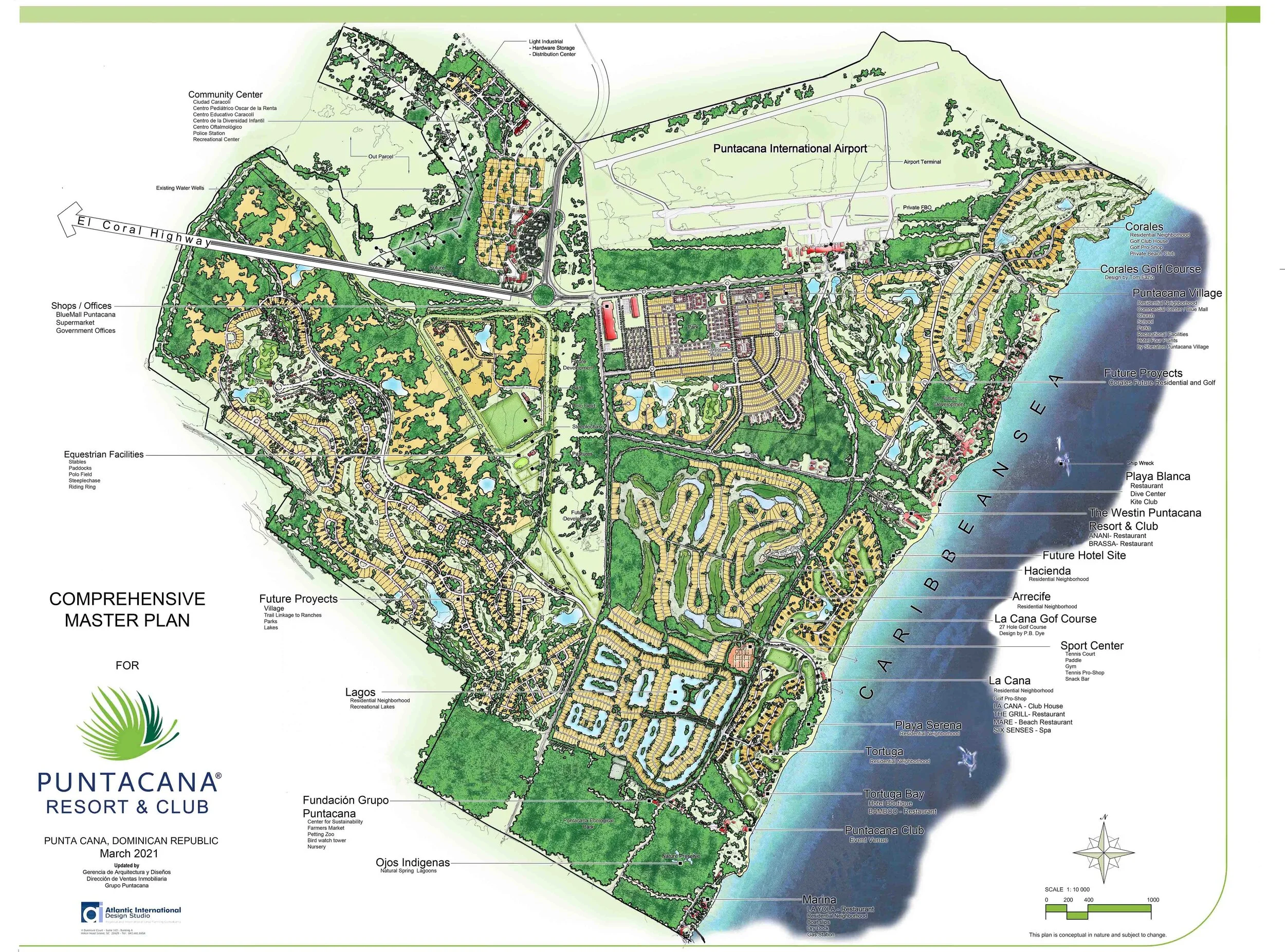
What many people do not realize is that Punta Cana also operates within a form of administrative organization that could be described as a private city.
In many ways, this model serves as an inspiration for us at Samana Group.
At the same time, our vision for Samaná is fundamentally different.
We are not building another tourist resort.
Our objective is to create a model of development that combines community, long-term living, investment, and respect for the natural character of the region.
The legal framework of our private city benefits from the invaluable expertise and experience of Adelaida Adames, who, as Legal Manager of Grupo Samana, has overseen the legal aspects of the resort organization.
A Source of Inspiration for Samaná
The story of Punta Cana shows how an almost inaccessible and undeveloped region can, over several decades, become an internationally recognized destination and a powerful engine of economic development.
Its transformation also demonstrates the importance of infrastructure, long-term vision, private investment, environmental responsibility, and community development.
For Samana Group, Punta Cana is not a blueprint to copy.
It is a powerful example of what can happen when ambitious development is supported by vision, persistence, and the right organizational framework.