
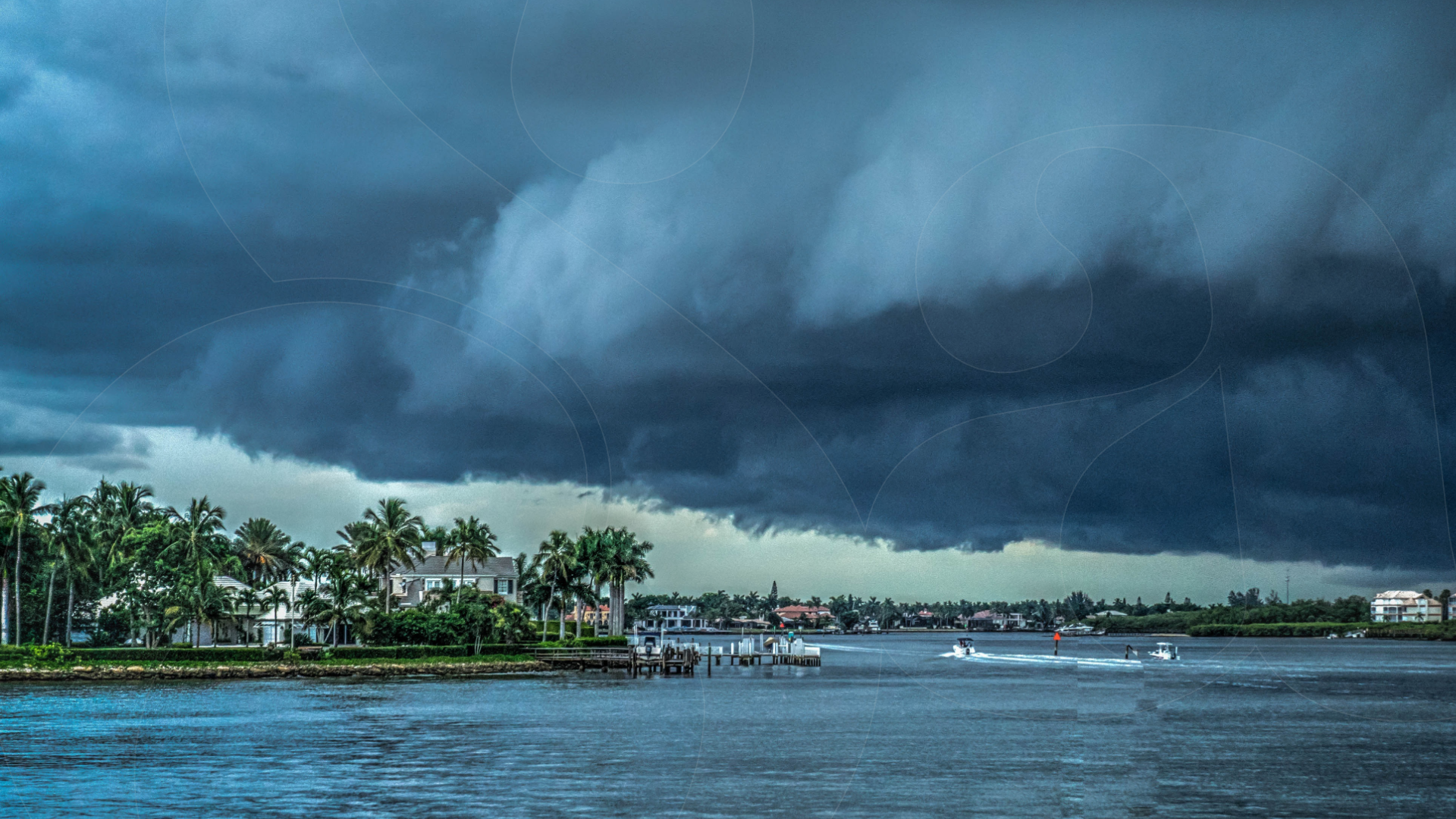
But what does the term actually mean? What are the risks, how should residents prepare, and can hurricanes also play a useful role in natural ecosystems?
In the Dominican Republic, hurricane season officially runs from June 1 to November 30.
That does not mean the country experiences extreme winds every day or remains in a permanent state of emergency.
What Does Hurricane Season Really Mean?
The season is defined by the National Hurricane Center, which monitors tropical systems developing over the Atlantic and Caribbean.
The original article distinguishes three types of tropical cyclones:
Tropical depression: rain and winds of up to 38 mph;
Tropical storm: sustained winds of 39–73 mph;
Hurricane: sustained winds of 74 mph or more.
The article states that an average of six hurricanes enter the Dominican Republic’s territorial waters each year, while approximately half never reach land.
The country’s geography also affects how storms develop.
High mountain ranges, extensive vegetation, and the position of Puerto Rico often reduce the strength of systems before or after they approach the Dominican Republic.
As a result, many events are experienced locally as tropical depressions, storms, shorter periods of strong wind, and heavy rainfall rather than direct hurricane impacts.
Early Prevention
Modern monitoring systems mean that approaching hurricanes can usually be identified well in advance.
The article states that residents typically receive five to seven days of warning, providing time to prepare homes and move to safe locations if necessary.
For current information, the original article recommended following local news and official international resources such as the U.S. Embassy Hurricane Kit and Florida hurricane-monitoring services.
How to Prepare
Basic preparation includes:
placing passports, wallets, and important documents in waterproof bags;
clearing balconies, gardens, and surrounding areas of objects that could be blown away or block drainage;
purchasing non-perishable food and drinking water;
filling the car with fuel and taking care of essential payments before public services temporarily close;
charging phones, portable batteries, and other essential devices;
unplugging expensive electronics in case of power interruptions;
keeping books or other offline activities available if electricity or internet access is interrupted;
following local radio and official information channels.
Environmental Impact
Hurricanes are destructive events, but they are also part of larger natural systems.
The original article emphasizes that they can provide environmental benefits that are often overlooked.
Heavy rainfall replenishes water resources, supports vegetation, and contributes to natural hydrological cycles.
Storm systems also redistribute heat within the atmosphere and ocean, forming part of the mechanisms through which tropical environments regulate energy.
For residents of the Caribbean, the practical approach is therefore neither to dismiss hurricanes nor to view the entire season as a constant emergency.
Understanding how tropical systems work, following reliable forecasts, and preparing properly makes the season significantly easier to manage.