
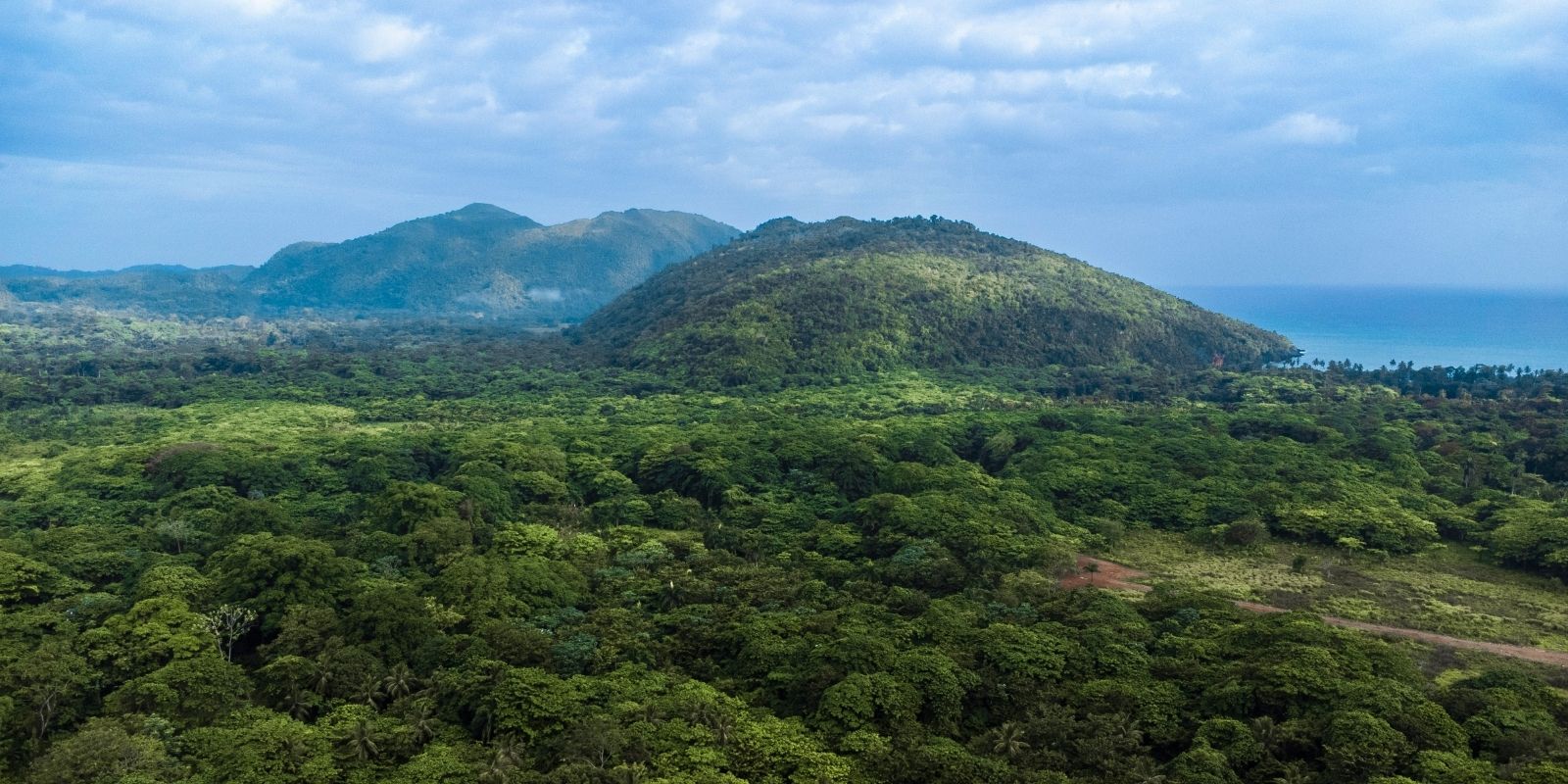
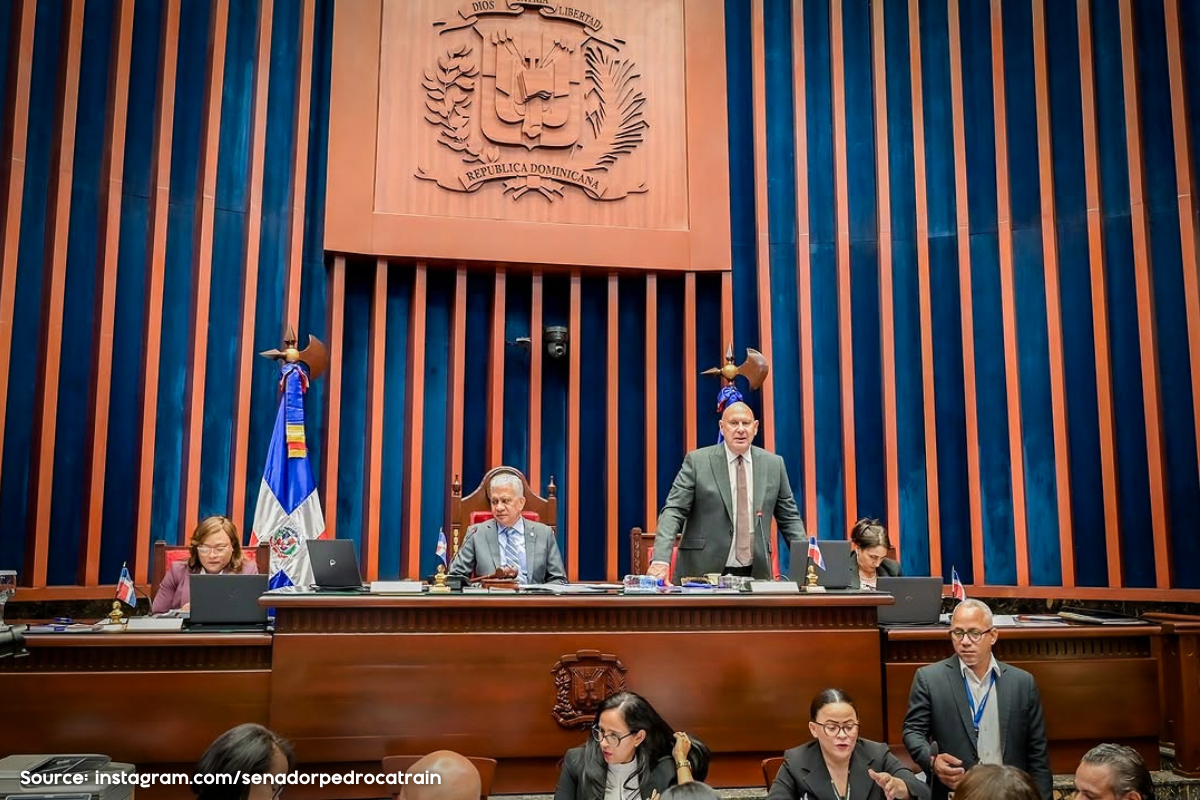
The law was authored by Senator Pedro Catrain.
The designation represents a strategic move toward a tourism model designed to combine economic development with protection of Samaná’s biodiversity, landscapes, and cultural heritage.
What Does This Mean for Samaná?
The new designation establishes a stronger framework for conservation-oriented development and responsible tourism.
The original article identifies six main areas where the change could influence the region.
1. Sustainable Economic Growth
Ecotourism can strengthen local economic cycles by increasing income generated within communities.
This includes support for small and medium-sized businesses operating according to environmentally responsible principles, helping them build greater resilience and independence.
2. Biodiversity Conservation
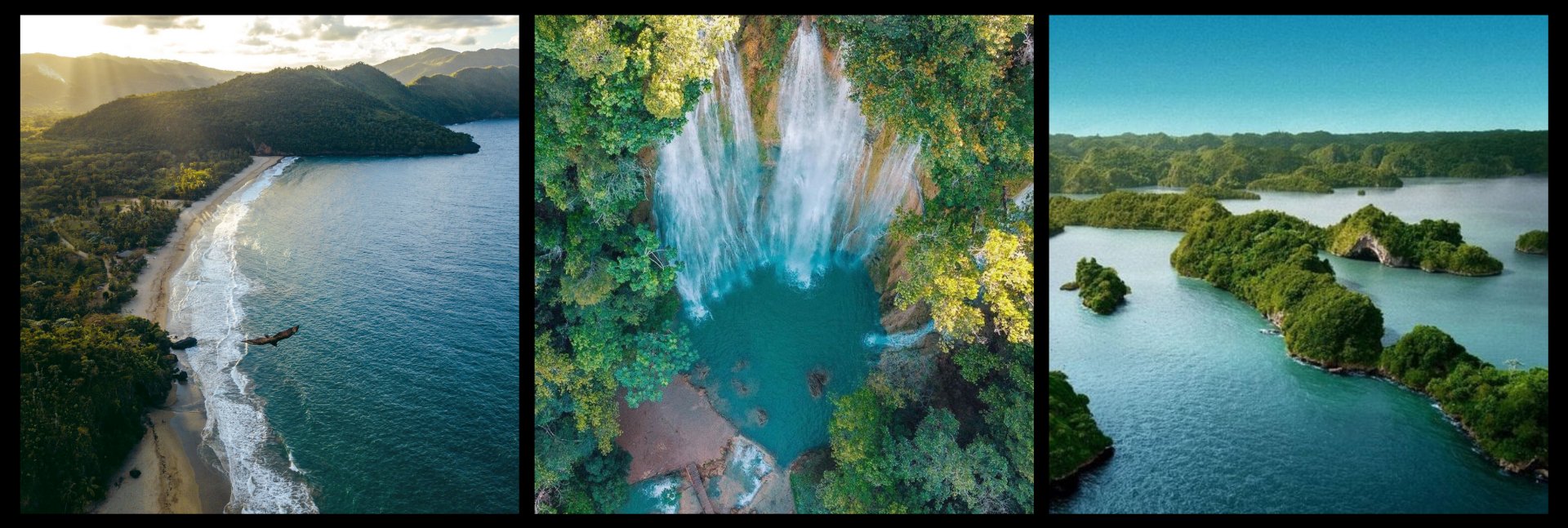
Samaná contains valuable marine ecosystems, tropical vegetation, and other natural habitats.
A stronger focus on ecotourism is intended to support their conservation while aligning the region with broader efforts to protect natural resources and address climate change.
3. Job Creation
The initiative is expected to create new opportunities in areas such as:
ecotourism,
conservation,
sustainable agriculture.
The objective is for environmental protection and local economic development to reinforce each other.
4. Regulatory Framework
The designation may lead to stronger regulations supporting sustainable tourism.
This can include stricter controls on land use and development to reduce the risk that tourism growth damages the environment that attracts visitors in the first place.
5. Incentives for Sustainable Practices
Existing legislation, including Law 158-01 on Tourism Incentives, provides tax exemptions for qualifying tourism projects.
The original article highlights the role of this framework in supporting projects that incorporate environmental protection and sustainable practices.
6. Community Participation
The initiative also emphasizes the role of local communities in tourism planning and management.
Ensuring that residents participate in decisions is important both for maintaining local identity and for distributing the economic benefits of tourism more equitably.
A Region Already Governed by a Masterplan
Even before the Ecotourism Province designation, Samaná was described in the article as the only province in the Dominican Republic with a comprehensive land-use and development Masterplan.
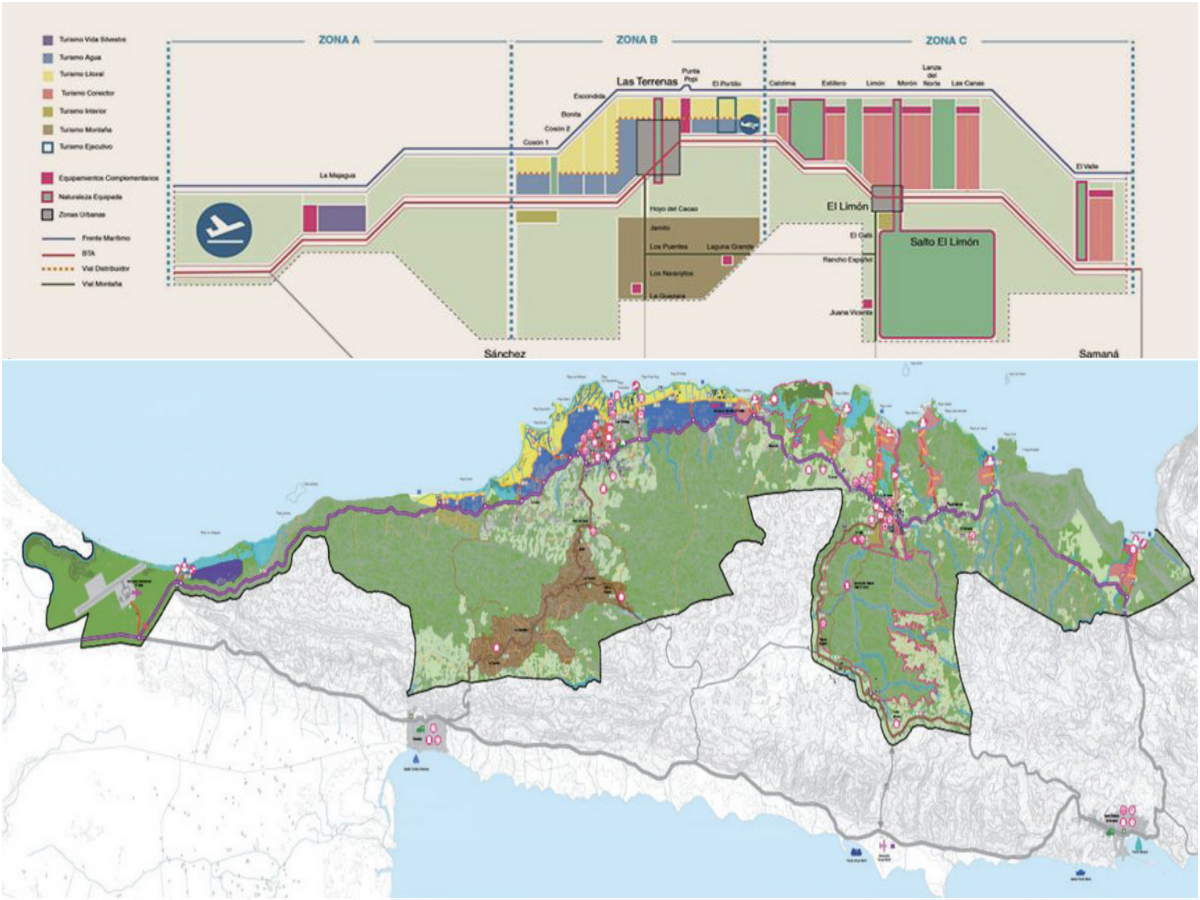
The plan was commissioned and funded by the Office of the President in 2016 and developed by Luis Vidal Architects.
Its purpose is to protect the peninsula’s natural and cultural assets while preventing uncontrolled mass commercialization.
Under this framework, new developments require special approval from the Ministry of Tourism.
The original article contrasts this approach with more resort-driven models such as Punta Cana, emphasizing Samaná’s intention to preserve its distinct identity while allowing the region to grow.
Samana Group’s Commitment
At Samana Group, we welcomed the announcement with great pride.
The Ecotourism Province designation strengthens an approach that has been central to our own vision for Samaná: development should not come at the expense of the natural and cultural qualities that make the region exceptional.
The challenge ahead is not whether Samaná will continue to develop, but how that development will happen.
The new designation creates another tool for pursuing growth while protecting the landscape, ecosystems, and communities that define the peninsula.